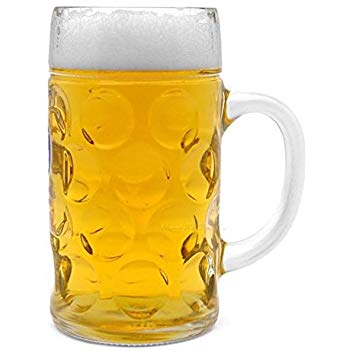
Showing posts with label Bar tools. Show all posts

Wednesday, August 15, 2018

Bartender's Accessories And Tools


Bartender's Accessories And Tools 


Behind the bar, you need a lot of bar tools and equipment, often more than you think, especially if you want to be perceived as a professional. Most bars will have the essential equipment, such as shakers and bottle openers, but depending on where you work, they may not provide all the things that make your job easier. Aside from the most common items (bottle opener, wine key, shaker), there is a whole list of other tools and things that are useful behind the bar. Now this list is what you as a bartender should bring to work, not the things that should be naturally supplied by the restaurant / bar. The key reason for all of this stuff is that it will make your life easier, and it will help increase your income, believe it or not. A lot of the stuff on this list is there to help your guests have a better experience, and in return, they will reward you with better gratuities.
This list is relatively long, but surprisingly you can fit everything into a small bag. I use a shaving kit bag that has three compartments to provide for a little organization. The only problem, if you are a guy, is that your “kit bag” will eventually be referred to as a “murse” or “man-purse” by some dork, but you’ll learn to live with it because work will be easier and your tips will be higher.


Boston Shaker
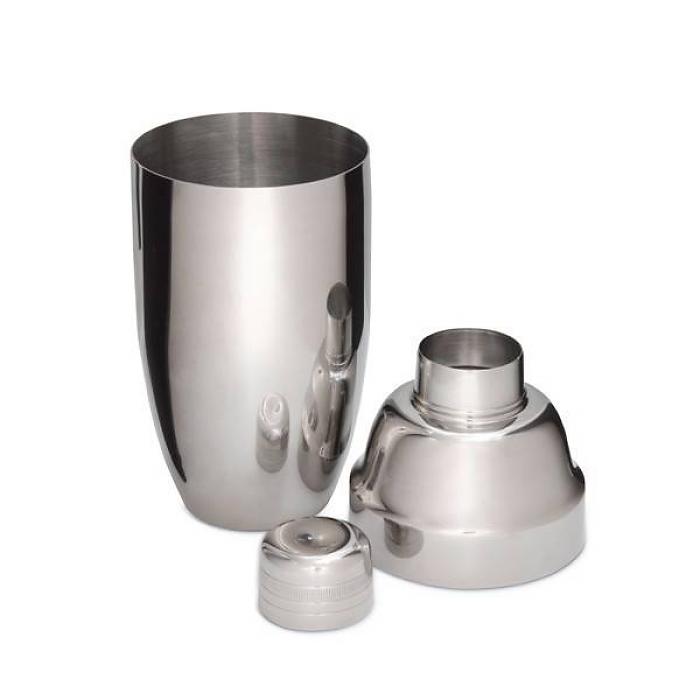
A Boston Shaker is a 2 piece shaking kit. One piece is smaller than the other so you can bash them together and create a tight seal without liquid splashing everywhere when you shake it. Almost every bartender on the planet uses a Boston shaker as their preferred shaking tool. They’re fast, easy to use, easy to strain, they can used as a substitute ice scooper, and they double up as a mixing vessel for stirred cocktails.


Cobbler shaker or Cocktail Shaker

a cobbler shaker (also called a 3 piece shaking set) is completely unnecessary. They’re the old school shaking tin that you see in James Bond movies.This is one of those bar tools that’s ‘good to have’ because they look cool but you’ll likely never use it. A Boston Shaker is superior in every way with the arguable exception that the cobbler shaker looks better.


Hawthorne Strainer
The Hawthorne strainer will be your most used strainer and it works perfectly with your Boston Shaker. They prevent pulp, mashed up fruit, and/or ice from getting into the final glass making the drink more enjoyable to consume. Here is three types of Hawthorne Strainers which is good for bartender durability.

Winco Stainless Steel 4-Prong Bar Strainer – The is the strainer I currently use. It’s inexpensive and functional, however it’s pretty lightweight and every time I handle it I’m waiting for it to fall apart. But so far, so good. This is a good entry level option.


OXO Steel Cocktail Strainer – If you’ve never purchased an ergonomically-designed OXO product, you’ll be pleasantly surprised when you have this one in your hand. It’s exceptionally comfortable and it’s effective design will make you look forward to mixing cocktails.


Hawthorne Bar Strainer By Modern Mixologist – This Hawthorne Strainer balances form with function. It’s an attractive piece of equipment that you’ll want in your home bar.


Mesh Tea Strainer
This is an excellent way to polish drinks to make them look great (i.e. removal of raspberry seeds, pulp, etc.). Also, great for filtering out wine crystals, for those who don’t appreciate them.


Fine Strainer
The hawthorne strainer won’t get everything. Double straining using a fine/tea strainer is often necessary to prevent the finer pulp, seeds, ice shards, etc from getting into the final glass.The hawthorne strainer & fine strainer are the perfect combination for adequately filtering your cocktails and making them look great.


Julep Strainer
Julep strainers are specifically used for straining stirred drinks. They’re quite old school but they’re still useful. Similarly to the Japanese Mixing Glass, I’ve included this as optional item because you can get away with using your hawthorn strainer for everything. But personally, I’d be adding this to my equipment list sooner rather than later.


Bar Spoon
Great for stirring, scooping, layering and rapping the knuckles of garnish buffet deviants while they try to feast on the garnish tray.Bar spoons are used for stirring cocktails (like a Martini), layering drinks, spooning in ingredients (like sugar), and occasionally for measuring small amounts of liquid (5ml). Needless to say, a bar spoon is an essential tool for both commercial and home bars.When choosing a bar spoon, I always advise getting one with spirals and a flat circular back-end. It makes layering drinks so much easier, especially when you’re using a deep glass.Here three types of bar spoons for different uses.
  • Fork Tip Bar Spoon
  • Spiral Bar spoon
  • Muddler Bar Spoon


Muddler
A modern bar professional always has a muddler. It’s a great way to make unique drinks and extract great flavours from fruit and herbs. If you work in a rougher bar, get a PUG Muddler to keep the miscreants under control.A muddler is used for CRUSHING things! When you’ve had a bad day, there’s nothing like fixing yourself a muddled drink. It’s even more satisfying when you get to crush up ice with it as well! A muddler is primarily used to crush fruit & sugar in cocktails that call for muddling, like a mojito or old fashioned (crushing sugar). They also work well as an improvised ice crusher. Simply put cubed ice into the tin of your Boston shaker and CRUSH!


Citrus Zester
Martini with a lemon twist? No problem, and it’s faster and safer than using a knife.Unless you’re getting into more advanced mixology, you probably won’t need a zester. A zester is great for grating items like nutmeg, chocolate, or fine lemon zests on top of a cocktail, but you can get away without applying these finishing touches.


Fruit Press
One handed style. A hygienic approach to squeezing fruit. Also, it maximizes the amount of juice you get out of a lemon or lime. Plus the citrus juice won’t irritate all those little cuts on your hands.


Knife
A good sharp knife helps make excellent garnishes. Also, if you have to cut three cases of limes for a Friday night, it will save your wrist. The cutting position can be awkward and put a lot of pressure on your wrist, leading to a repetitive strain injury. If you use a dull knife, you have to exert more pressure, leading to injury.


Chopping Board 
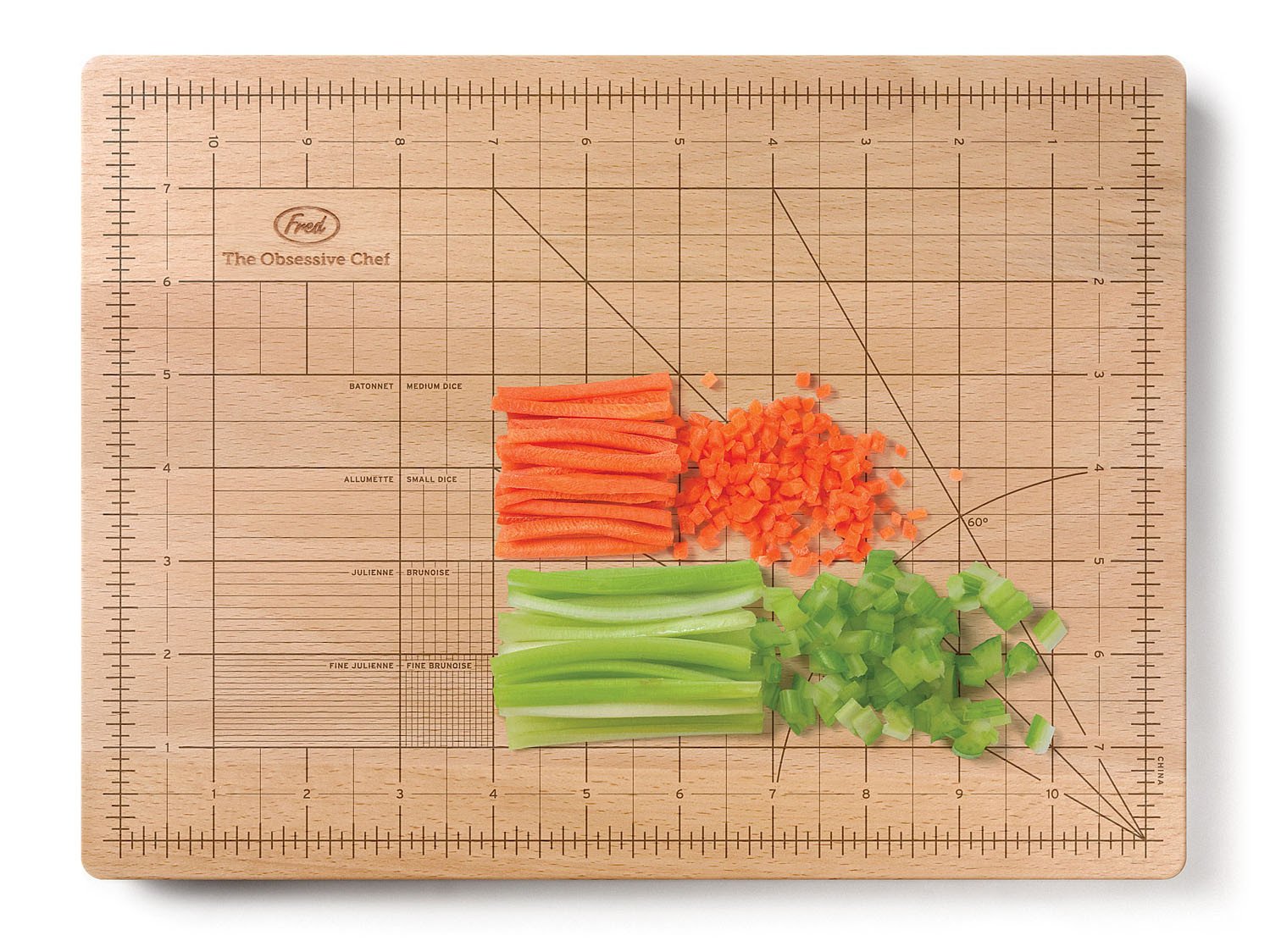
When you’re cutting things, a chopping board is a no-brainer. You’ll need something to cut on and a chopping board is more hygienic than a bench top. It will also help keep your knife sharpener for longer.


Bottle Opener (Bar Blade)
For opening up beer bottles fast & various other improvised uses. You never know when or how a bar blade will come in handy.


Wine Key (Corkscrew)
Again obvious, but in so many bars I’ve seen people without one. I’ve watched four servers share a wine key once. Get a good one, and the two stage corkscrews work nicely (Pulltaps).


Wine poppers

Wine poppers are another means of opening wine. A hollow spike is driven through the cork of a bottle. A cartridge of carbon dioxide is then pressed to release a short burst of gas. The sudden increase of pressure dislodges the cork and the wine can then be served. Two problems can arise with this method: synthetic "corks" may be too dense to penetrate, and bottles not intended for pressure may break.


Ice Scoop
Pick a decent sized one, not a 6-ounce scoop. Get something like a 12oz or 16oz scoop that is cylindrical in nature, not square, it will help funnel ice into the glass, not around it. Stick with a good metal scoop, not cheap plastic. And don’t get a cheap ass stamped scoop, they cut your hands, spend the extra $5 and get a good ice scoop.


Spirit Measure or Jigger
A good jigger is nice to have, makes your boss happy and gives the customer a good drink. I like to free pour, but sometimes a jigger is handy.


Funnel
Great for getting stuff into bottles, like simple syrup, changing liquid from big container to small bottles or pourers.


Lighter / Matches
Most establishments are going smoke-free, but lighters and matches are still useful for lighting candles and flaming orange peels. Even if you’re not a smoker, lighters are useful. For cocktails, they’re used to flame orange zests or light up shooters. For the bar, you’ll use them to light candles or to help a smoker out in need.


Can Opener
you’ll want to get access to some ingredients in a can. Like coconut cream (for a Pina Colada) or pineapple juice (canned pineapple juice is usually better than bottled pineapple juice). A can opener will give you a little more freedom with the kind of cocktails you can make.


Pour Spouts or Speed Pourer 
Speed pourers are the spouts you find at the end of bottles in a bar. They help you control the flow of a bottle’s pour and more accurately measure what you’re free pouring. All in all, they help speed up the drink making process. A few extra are always handy for when a liqueur bottle gets the pour spout stuck, and you don’t have time to mess with it.


Mixing Glass

Not only do these look & sound awesome, they’re actually useful. A Japanese mixing glass makes stirring & straining stirred cocktails an absolute pleasure. I’ve listed this item as optional because you can get away with using your Boston shaker for stirring instead, but this would be the first ‘luxury’ item I would add to my bar equipment kit.


Bar Tong

Bar tongs aren’t really optional in a commercial bar. Depending on where you’re from, they might even be legally required. The reason being is that bar tongs are more hygienic than using your fingers to drop in a garnish, an ice cube, or squeeze a lime wedge into a drink.


Blender

Simply due to price, this an optional item for the home bar. But for the serious cocktail program, a blender is extremely useful. It allows you to puree your own fruits, better mix certain drinks, and easily make frozen cocktails. They might not be suitable for every bar because of the noise, but all in all, they’ll bring your cocktail program up to that next level.


Cocktail Picks

Garnishing cocktails with cocktail picks is common practice. A cocktail will look far more appetising when garnished beautifully and don’t forget about those Instagram shots! So investing in some metal cocktail picks could be a good idea. They work great for your home bar because you’ll be able to re-use them. But for commercial bars, I’d stick with wooden cocktail picks so you don’t have to worry about losing or cleaning them.


Ice Pick

An ice pick is a tool used to break up, pick at, or chip at ice. In shape it resembles a scratch awl for wood. Before modern refrigerators, ice picks were a ubiquitous household tool used for separating and shaping the blocks of ice used in ice boxes


Store & Pour

The Store & Pour is a neat little seal-able and reusable plastic bottle with a simple but highly effective pouring spout. Ideal for adding mixers and juice to cocktails and spirits when behind a bar, at a party or hosting a special event. Just fill it up and use the long-necked pouring spout to get a clean pour without any mess. When you're done, just remove the spout and take off the bottom of the bottle and use it as a lid! Great for when you've got a queue full of thirsty party-goers!


Garnish Tray

Items such as olives, lemon, mint, orange slices, cherries add flavor and flair to any cocktail. With a high-quality garnish tray, you can keep your ingredients fresh and well organized. 


Bar Caddy

Bar caddies are an essential bar supply for organizational, cleanliness, and production purposes. For a bartender, quick and easy access to the components that makes for a fast and efficient drink service is vital. A napkin caddy conveniently sits on the bar top or in the bar rail, keeping napkins, straws, stirrers, and cocktail picks easily accessible and organized for the fast paced bartender.


Bar Scissor

scissors are usually made from stainless steel for food hygiene and oxidization-resistance reasons. They often have kitchen functionality (other than cutting) incorporated, such as bottle-cap, to fish scale, to crack nuts and bottle-openers built into the handles.


Parisienne scoop or Melon Ball Scoop


Melon Baller is a small spoon-like tool used to cut round- or oval-shaped sections of melon, known as melon balls, by pressing them into the melon's flesh and rotating. Melon ballers can be used for a variety of melons; like watermelon, cantaloupe, or honeydew. They typically are multifunctional utensils.


Ice Cream Scoop

An ice cream scoop is any specialized spoon used to serve ice creams and other cream things. Some higher-end ice cream scoops have a thermally conductive liquid in the handle to help keep the ice cream from freezing to the scoop's metal.


Measuring Jug

A measuring cup or measuring jug is a kitchen or bar utensil used primarily to measure the volume of liquid or bulk solid cooking ingredients such as flour and sugar, especially for volumes from about 50 mL (2 fl oz) upwards. Measuring cups are also used to measure Spirits for inventory. The cup will usually have a scale marked in cups and fractions of a cup, and often with fluid measure and weight of a selection of dry foodstuffs. Measuring cups may be made of plastic, glass, or metal. Transparent (or translucent) cups can be read from an external scale; metal ones only from a dipstick or scale marked on the inside.


Grater 
Several types of graters feature different sizes of grating slots, and can therefore aid in the preparation of a variety of foods and Garnishes of Cocktails .They are commonly used to grate Nutmeg and lemon or orange peel (to create zest), and can also be used to grate other Things. They are commonly used in the preparation of Nogs cocktails, Chocochips and cinnamon sticks.


Glass Rimmer

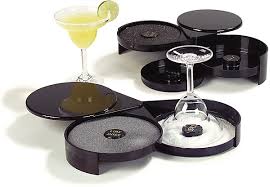
A glass rimmer is a bar accessory used to apply salt or sugar to the rim of a glass. It usually consists of one or more shallow plastic or metal discs that the glass is turned upside down into. The discs can be filled with either the rimming salt or sugar, or sometimes something to moisten the rim of the glass such as lime juice. The purpose of rimming a glass can either be for aesthetics or to enhance the flavor of a cocktail. Rimming usually crosses both categories. Adding something to the rim of the glasses very visually appealing and therefore ornamental, but with proper selection it can substantially enhance the flavor of the drink. Some bartenders choose to prepare several rimmed glasses in advance. Pre-rimmed glasses save time on preparation.


Wine Stopper

A wine stopper is an essential wine accessory to close leftover wine bottles before refrigerating them. Wine stoppers are used because it is hard to put the original cork back into the bottleneck. Wine stoppers vary in shapes, sizes, and materials. The three typical types are the cork wine stopper, rubber wine stopper, and plastic wine stopper. All these wine stoppers look very different, especially the top. The top part can be made from plastic, wood, or even precious metals and crystals. However the bottom part of the stoppers are primarily made of the above 3 typical materials, and newer versions of wine stoppers are made to expand in the wine glass to ensure a tighter seal. Some wine stoppers can be vacuum-sealed with a hand pump, to remove oxygen from the bottle, thereby extending the life of the wine by several days after opening the bottle.


Wine Cooler

  • Small table-top units that rapidly chill a single bottle, using ice or an electric cooling device. These can usefully achieve the desired wine-serving temperature, particularly in warmer climates. This style of wine cooler operates most appropriately for white, rosé or sparkling wines which are usually served chilled.
  • A simple, double-walled or otherwise insulated container that keeps a chilled bottle of wine cold, also called a glacette.
  • A ring of ice having an inside surface which matches the curvature of the neck of a bottle of wine. The ring sits on the neck of the bottle and cools the wine. Convection causes cool wine to sink within the bottle drawing warm wine up to the cold neck. Continuous flow within bottle ensures even cooling of the wine and achieves a consistent temperature.


Wine Collar

A wine collar is a wine accessory that fits around the neck of a wine bottle. When in place it absorbs any drip that may run down the bottle after pouring. This is beneficial for preventing stains to surfaces that the bottle comes in contact with such as table cloths or counter tops. Wine collars are also called drip rings or drip collars. There are two branded wine collars one called a Drip Dickey, and the other called a "Winewoggle" both are registered trademarks with the U.S. Patent and Trademark Office.


Tastevin

Tastevin is a small, very shallow silver cup or saucer traditionally used by winemakers and sommeliers when judging the maturity and taste of a wine. The saucer-like cups were originally created by Burgundian winemakers to enable them to judge the clarity and color of wine that was stored in dim, candle-lit wine cellars. Regular wine glasses were too deep to allow for accurate judging of the wine's color in such faint light. Tastevins are designed with a shiny faceted inner surface. Often, the bottom of the cup is convex in shape. The facets, convex bottom, and the shiny inner surface catch as much available light as possible, reflecting it throughout the wine in the cup, making it possible to see through the wine.


Wine Aerator

A wine aerator is a small, in-bottle, hand-held pour-through or decanter top device for aerating wine. These devices mix air into the wine as it flows through or over, increasing exposure to oxygen and causing aeration. They offer an alternative to swirling, traditional decanting, and to aldouze (i.e. to wait for wine to breathe). This category emerged in the United States in or before 2007. This timing can be partially linked to the decline of the US economy which resulted in wineries releasing wine early to compensate for sales dips.


Champagne Stirrer

A now-rare device, the champagne stirrer or champagne swizzle stick is a stick. They are often ornamental and made of silver, ivory, or crystal, and often with a flayed end (like a branch), which is placed or stirred in champagne to reduce or remove the bubbles. Its use is heavily frowned upon as it destroys the most valued and distinctive aspect of champagne, namely its carbonation (compare the now-rare champagne coupe), and accordingly it is rarely found or used.


Squeeze Bottle

A squeeze bottle is a type of container such as a bottle for dispensing a fluid, that is powered by squeezing the container by exerting pressure with the user's hand. Its fundamental characteristic is that manual pressure applied to a resilient hollow body is harnessed to compress fluid within it and thereby expel the fluid through some form of nozzle.


Cruet Set

A cruet-stand (or cruet in British English) is a small stand of metal, ceramic, or glass which holds containers for condiments. Typically these include salt and pepper shakers, and often cruets or bottles of vinegar and olive oil. The stand and containers form a cruet set.


Peeler 

A peeler (potato peeler or vegetable peeler) is a bar tool consisting of a slotted metal blade attached to a handle that is used to remove the outer skin or peel of certain vegetables and fruits, often carrots and beet roots, and fruits such as apples, pears, etc. A paring knife may also be used to peel vegetables. A peeler differs from a knife in that the blade has a slot cut into it, which is sharpened on the inside edge, while the other side prevents the blade from cutting too far into the vegetable.


Wednesday, August 8, 2018

Glassware for Bar

Glassware for Bar


A concave vessel for drinking from, usually made of opaque material (as opposed to a glass). A vessel from which one drinks, especially one made of glass, plastic, or similar translucent or semi-translucent material. Drinkware, beverageware (colloquially referred to as cups) is a general term for a vessel intended to contain beverages or liquid foods for drinking or consumption. Beaker. Beer glassware. Coffee cup. Cup.


Types of Glassware


This list of glassware includes drinking vessels (drinkware) and tableware used to set a table for eating a meal, general glass items such as vases, and glasses used in the catering industry.

Drinkware 


Drinkware, beverageware (colloquially referred to as cups) is a general term for a vessel intended to contain beverages or liquid foods for drinking or consumption.


Beaker

A beaker is a beverage container, and a term used in parts of the UK. A beaker is typically a non-disposable plastic or ceramic cup or mug without a handle, much like a laboratory beaker. Beaker is particularly commonly used to describe a lidded cup designed for toddlers or small children, with a no-spill mouthpiece incorporated into the lid.


Coffee Cup

A coffee cup is a container that coffee and espresso-based drinks are served in. Coffee cups are typically made of glazed ceramic, and have a single handle for portability while the beverage is hot. Ceramic construction allows a beverage to be drunk while hot, providing insulation to the beverage, and quickly washed with cold water without fear of breakage, compared to typical glassware. A coffee cup may also be a disposable cup in which hot beverages, including coffee, can be contained. Disposable coffee cups may be made out of paper or styrofoam. At coffee shops, paper cups are commonly used to give beverages to customers on the go, usually with a coffee cup sleeve to provide insulation against heat transferred through the container.

Cafe drinkware

  • Cappuccino
  • Demitasse
  • Gibraltar or cortado
  • Shape innovation
Cup

A cup is a small container used for drinking and carrying drinks.It can be made of wood, plastic, glass, clay, metal, stone, china or other materials, and it might have a stem, handles or other adornments. Cups are used for quenching thirst across a wide range of cultures and social classes, and different styles of cups may be used for different liquids or in different situations.


Jar

A jar is a rigid, approximately cylindrical container with a wide mouth or opening. Jars are typically made of glass, ceramic, or plastic. They are used for foods, cosmetics, medications, and chemicals that are relatively thick or viscous: pourable liquids are more often packaged in a bottle. They are also used for items too large to be removed from a narrow neck bottle


Mug

A mug is a type of cup typically used for drinking hot beverages, such as coffee, hot chocolate, soup, or tea. Mugs usually have handles and hold a larger amount of fluid than other types of cup. Usually a mug holds approximately 8-12 US fluid ounces (350 ml) of liquid; double a tea cup. A mug is a less formal style of drink container and is not usually used in formal place settings, where a teacup or coffee cup is preferred. Shaving mugs are used to assist in wet shaving.


Paper Cup

A paper cup is a disposable cup made out of paper and often lined or coated with plastic or wax to prevent liquid from leaking out or soaking through the paper. It may be made of recycled paper and is widely used around the world.


Pythagorean Cup 

A Pythagorean cup (also known as a Pythagoras cup, Greedy Cup, Tantalus cup or i koupa tis dikaiosynis) is a practical joke device in a form of a drinking cup, credited to Pythagoras of Samos. When it is filled beyond a certain point, a siphoning effect causes the cup to drain its entire contents through the base.


Quaich

A quaich archaically quaigh or quoich, is a special kind of shallow two-handled drinking cup or bowl in Scotland. It derives from the Scottish Gaelic cuach meaning a cup.


Sake Set

A sake set (shuki) consists of the flask and cups used to serve sake. Sake sets are commonly ceramic, but may be wood, lacquered wood, glass or plastic. The flask and cups may be sold individually or as a set.
Tea Cup


A teacup is a cup for drinking tea. It may be with or without a handle, generally a small one that may be grasped with the thumb and one or two fingers. In some lands it is custom to raise the last finger on the hand, or "pinkie" when drinking from a tea cup. It is typically made of a ceramic material. It is usually part of a set, composed of a cup and a matching saucer or a trio that includes a small cake or sandwich plate.


Trembleuse

Trembleuse or Tasse Trembleuse also Gobelet et soucoupe enfoncé is a drinking cup and saucer which originated in Paris in the 1690s. It was designed to allow people suffering from the trembles to drink a beverage, initially hot chocolate. The cup sits in a saucer with either a well, or a raised rim to prevent the liquid from spilling. Cups were designed with or without handles, and optionally a lid.


Tumblers 


Tumblers are flat-bottomed drinking glasses.


Collins Glass 
A collins glass is a glass tumbler which typically will contain 300 to 410 millilitres (10 to 14 US fl oz). It is used to serve mixed drinks, especially Tom Collins or John Collins cocktails. It is cylindrical in shape and narrower and taller than a highball glass.

Dizzy Cocktail Glass

a glass with a wide, shallow bowl, comparable to a normal Cocktail glass but without the stem.


Highball Glass

A highball glass is a glass tumbler that can contain 240 to 350 millilitres (8 to 12 US fl oz). It is used to serve highball cocktails and other mixed drinks. An example size is 2 3⁄4 in (7 cm) diameter by 6 in (15 cm) in height. A highball glass is taller than an Old Fashioned glass, and shorter and wider than a Collins glass.
Old Fashioned Glass
The Old Fashioned glass or rocks glass is a short tumbler used for serving spirits, such as whisky, with ice cubes ("on the rocks"). It is also normally used to serve certain cocktails, such as the Old Fashioned, from which it receives its name. Old Fashioned glasses typically have a wide brim and a thick base, so that the non-liquid ingredients of a cocktail can be mashed using a muddler before the main liquid ingredients are added.


Pony Tumbler
A small, stemmed glass of about one ounce, similar to a stemmed shot glass. Used for liqueurs or cordials, hence also called a "cordial glass" or "liqueur glass"


Shooter Glass

A shot glass is a small glass originally designed to hold or measure spirits or liquor, which is either imbibed straight from the glass ("a shot") or poured into a cocktail ("a drink"). An alcoholic beverage served in a shot glass and typically consumed quickly, in one gulp, may also be known as a "shooter".tequila is most often served in a narrow shot glass called a caballito (little horse, in Spanish),but can often be found in anything from a snifter to a tumbler.

Beer Glassware


Beer glassware comprises the drinking vessels made of glass designed or commonly used for drinking beer. Different styles of glassware exist for a number of reasons: they may reflect national traditions; legislation regarding serving measures; practicalities of stacking, washing and avoiding breakage; promotion of commercial breweries; folk art, novelty items or use in drinking games; or complementing different styles of beer for a variety of reasons, including enhancing aromatic volatiles, showcasing the appearance, and having an effect on the beer head. Several kinds of beer glassware have a stem which serves to prevent the body heat of the drinker's hand from warming the beer.


Beer Stein 
Beer stein or simply stein, is an English neologism for either traditional beer mugs made out of stoneware, or specifically ornamental beer mugs that are usually sold as souvenirs or collectibles. In German, the word stein means stone and is not used to refer to a beverage container.


Pilsner Glass 
A pilsner glass is used for many types of light beers, including pale lager or pilsner. Pilsner glasses are generally smaller than a pint glass, usually in 200 ml, 250 ml, 300 ml, 330 ml or 400 ml sizes. (In Europe 500 ml ones are common.) They are tall, slender and tapered. The slender glass reveals the colour, and carbonation of the beer, and the broad top helps maintain a beer head.


Pint Glass

A pint glass is a form of drinkware made to hold either a British ("imperial") pint of 20 imperial fluid ounces (568 ml) or an American pint of 16 US fluid ounces (473 ml). These glasses are typically used to serve beer, and also often for cider.


Tankard 

A tankard is a form of drinkware consisting of a large, roughly cylindrical, drinking cup with a single handle. Tankards are usually made of silver, pewter, or glass, but can be made of other materials, for example wood, ceramic or leather. A tankard may have a hinged lid, and tankards featuring glass bottoms are also fairly common. Tankards are shaped and used similarly to beer steins.


Weizen Glass
A weizen glass is used to serve wheat beer. Originating in Germany, the glass is narrow at the bottom and slightly wider at the top; the width both releasing aroma, and providing room for the often thick, fluffy heads produced by wheat beer. It tends to be taller than a pint glass, and generally holds 500 millilitres with room for foam or "head". In some countries, such as Belgium, the glass may be 250 ml or 330 ml.Wheat beers tend to foam a lot, especially if poured quickly. In pubs, if the bottle is handed to the patron for self pouring, it is customary for the glass to be taken to the patron wet or with a bit of water in the bottom to be swirled around to wet the entire glass to keep the beer from foaming excessively.


 Yard Glass

A yard of ale or yard glass is a very tall beer glass used for drinking around 2 1⁄2 imperial pints (1.4 L) or 1 fl. yd of beer, depending upon the diameter.The glass is approximately 1 yard (90 cm) long, shaped with a bulb at the bottom, and a widening shaft, which constitutes most of the height.The glass most likely originated in 17th-century England, where the glass was known also as a "long glass", a "Cambridge yard (glass)" and an "ell glass". It is associated by legend with stagecoach drivers, though was mainly used for drinking feats and special toasts.Drinking a yard glass full of beer as quickly as possible is a traditional pub game; the bulb at the bottom of the glass makes it likely that the contestant will be splashed with a sudden rush of beer towards the end of the feat. The fastest drinking of a yard of ale in the Guinness Book of Records is 5 seconds.


Pot Glass 

A pot glass is a kind of glassware used for drinking beer in Australia. The size of a pot glass is 285mL (approximately 1⁄2 Imperial Pint). In Victoria, a pot is the most common size of drinking vessel for beer, and if you ask for a beer at a pub or bar, a pot is what you will get.


Schooner

A schooner is a type of glass for serving drinks. In the United Kingdom it is the name for a large sherry glass. in Australia it is the name for a particular glass size, used for any type of beer.

Stemware 


Stemware is drinkware that stands on stems above a base. It is usually made from glass, but may be made from ceramics or metals. The stem allows the drinker to hold the glass without affecting the temperature of the drink.


Absinthe Glass
Absinthe was most commonly served in normal bar-ware, but eventually specific glasses became somewhat popular. These would commonly have a short thick stem and faceting or some other feature to indicate the correct portion to pour. Some were simply marked with a line, by either etching or a glass bead, showing how much absinthe should be poured, with another line or bead indicating the level to add water up to. The term 'reservoir glass' covers several styles of glassware with a small bulge at the bottom which marked the dose. They were among the first type of glass made specifically for absinthe. A less common variation, called the bubble-reservoir glass, contained a defined bubble shaped reservoir.


Chalice Glass

A chalice (from Latin calix, mug, borrowed from Greek kulix, cup) or goblet is a footed cup intended to hold a drink. In religious practice, a chalice is often used for drinking during a ceremony or may carry a certain symbolic meaning.


Champagne Saucer

A Champagne glass is a form of stemware designed specifically to enhance the drinking of champagne. The two most common forms are the flute and coupe. In each the stem allows the drinker to hold the glass without affecting the temperature of the drink, making them readily adaptable to consuming other sparkling wines and certain beers.


Champagne Flute

The champagne flute (French: flûte à Champagne) is a stem glass with either a tall tapered conical shape or elongated slender bowl, generally holding about 6 to 10 US fl oz (180 to 300 ml) of liquid.The champagne flute was developed along with other wine stemware in the early 1700s as the preferred shape for sparkling wine as materials for drinking vessels shifted from metal and ceramic to glassware.


Champagne Tulip

Champagne is also served in a tulip glass. The white wine tulip is distinguishable from the champagne flute by its wider flared body and mouth. Some oenophiles prefer the tulip glass, as it permits the drinker to get more of the aroma than a traditional flute while the mouth is still narrow enough to avoid quick loss of carbonation.


Cocktail Glass 

A cocktail glass is a stemmed glass with an inverted cone bowl, mainly used to serve straight-up cocktails. The term cocktail glass is often used interchangeably with martini glass, despite them differing slightly.Today, the drink is used to serve a variety of cocktails, such as the Martini and its variations (French Martini, Vodka Martini, Espresso Martini, Appletini), Manhattan, Brandy Alexander, Pisco Sour, Negroni, Cosmopolitan, Gimlet, and the Grasshopper


Glencairn Whisky Glass

The Glencairn whisky glass is a style of glass developed by Glencairn Crystal Ltd, Scotland for drinking whisky. Originally designed by Raymond Davidson, managing director of the company, the shape of the glass is derived from the traditional nosing copitas used in whisky labs around Scotland. The glass design was concluded with the aid of master blenders from five of the largest whisky companies in Scotland.The glass first came into production in 2001.


Hurricane Glass

A Hurricane glass is a form of drinking glass which typically will contain 20 US fluid ounces (590 ml; 21 imp fl oz). It is used to serve mixed drinks, particularly the Hurricane from which it is named originating at Pat O'Brien's Bar in New Orleans. Other drinks served in this glass include the Singapore Sling, June bug, Piña colada and Blue Hawaii. It is shaped similarly to a vase or a hurricane lamp and is typically taller and wider than a highball glass.

Poco Grande

The Poco Grande glass has a similar fluted bowl shape, but is shallower and has a longer stem. It is used for similar drinks as the hurricane glass, but its smaller portion size (about 12 fluid ounces) allows the bartender flexibility in determining the size of the drinks offered and/or the amount of alcohol in the glass.


Margarita Glass

Margaritas may be served in a variety of glasses, most notably the eponymous margarita glass, a variant of the classic champagne coupe; this is particularly associated with blended fruit margaritas, and the glass is also used for dishes such as guacamole or shrimp cocktails. In formal settings margaritas are often served in a standard cocktail glass


Snifter

A snifter (also called brandy snifter, brandy bowl, cognac glass, or balloon) is a type of stemware, a short-stemmed glass whose vessel has a wide bottom and a relatively narrow top. It is mostly used to serve aged brown spirits such as bourbon, brandy, and whisky.


Wine Glass


A wine glass is a type of glass that is used to drink and taste wine. The idea that the shape of wine glass should be matched to the style of wine is widely debated.

Others Glassware

Other types of glassware not came in bar but these days revolution came in bar so mixologist and bartender create different types of drinks which is serve in different types of glassware for more attraction and more stylish.
Pitcher
a pitcher is a container with a spout used for storing and pouring contents which are liquid in form. In English speaking countries outside North America, a jug is any container with a handle and a mouth and spout for liquid-American "pitchers" are more likely to be called jugs elsewhere. Generally a pitcher also has a handle, which makes pouring easier.


Laboratory Glassware 

Laboratory glassware refers to a variety of equipment in scientific work traditionally made of glass. Glass can be blown, bent, cut, molded, formed into many sizes and shapes, and is therefore common in chemistry, biology, and analytical laboratories.now a days many bar and drink server serve cocktails in this glasses for attraction and fun.

Punch Bowl
A punch bowl is a bowl, often large and wide, in which the drink punch is served, Punch quickly became a popular drink. It was served in punch bowls, usually ceramic or silver, which were often elaborately decorated. Punch bowls sometimes had lids or were supported on a stand; other accessories such as a serving ladle and cups in which to serve the drink sometimes accompanied the punch bowl.


 Vase 

A vase is an open container. It can be made from a number of materials, such as ceramics , glass, non-rusting metals, such as aluminum, brass, bronze or stainless steel. Even wood has been used to make vases, its use in bar as groups cocktail drink and big amount of drink serve at that time.


Bong 

A bong (also water pipe, billie, bing, or moof) is a filtration device generally used for smoking cannabis, tobacco, or other herbal substances, In construction and function a bong is similar to a hookah, except smaller and especially more portable.


Peking Glass

Peking glass (also known as Qianlong Glass or Tao Liao Ping) is a form of Chinese glassware that originated in 18th century Peking China. Originally used in the fabrication of glass snuff bottles, Peking glass has since been appropriated for a number of uses and continues to be produced in China.


Pool Glass
oldest and most iconic items that represents chai in India. These glasses have been used in India to drink chai out of since the beginning of time! They are a staple item for any chai drinker and are specifically crafted for the purpose of drinking chai.

Oak wood cask & Barrel

Oak wood Oak wood is a type of hardwood that derives from the oak tree native to the northern hemisphere. There are around 600...